The Quiet Revolution: How Ordinary Citizens Master the Art of Community Organizing
Start Where People Already Are
The most effective community organizers don’t start with grand visions or sweeping manifestos. They start with Tuesday night PTA meetings and weekend farmers markets. They show up at book clubs and neighborhood watch groups. Real organizing begins in spaces where people already gather, where conversations happen naturally, where trust exists before you ever mention the word “campaign.”
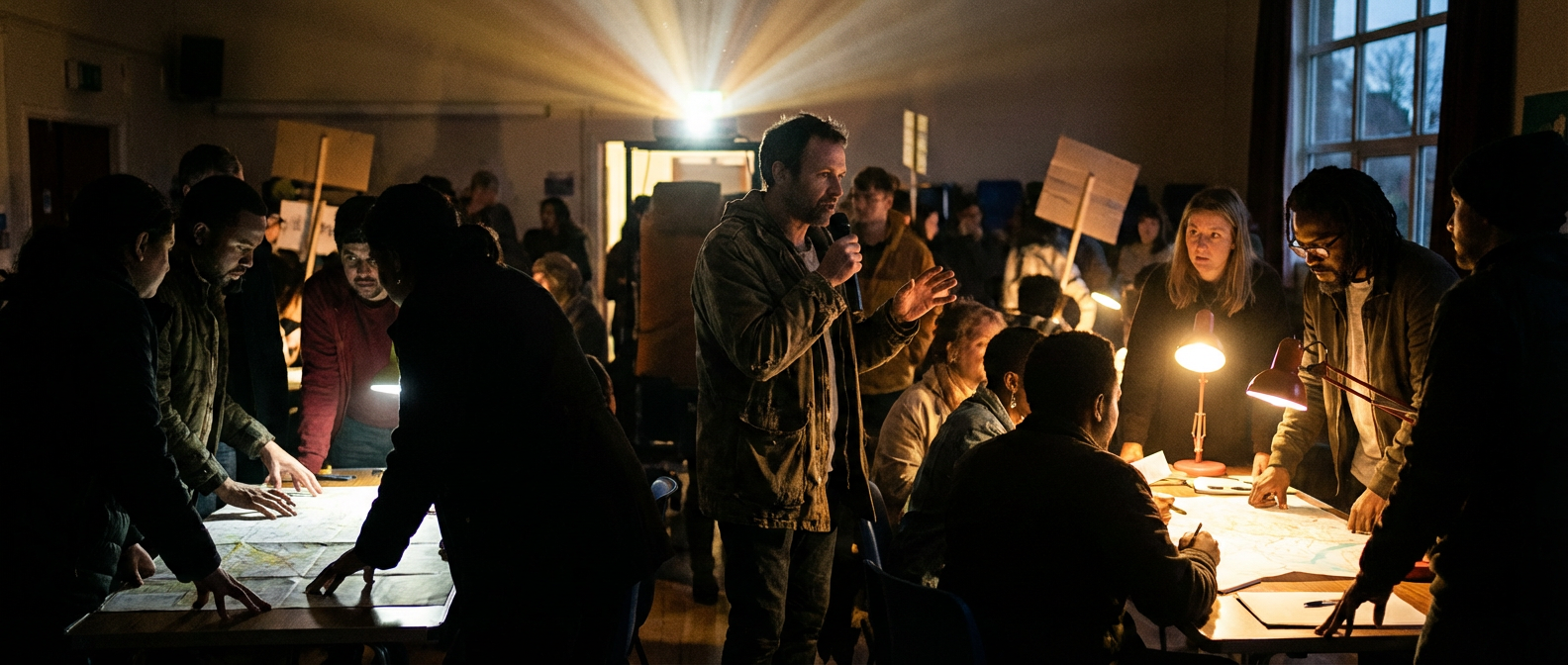
This works because it respects something basic about human nature: we listen to people we already know and trust. Your neighbor who coaches Little League has more influence than any political celebrity. The parent who organized last year’s school fundraiser has earned credibility that no fancy consultant can create from scratch. Start there.
Find three existing groups in your community. Go to their meetings for a month without pushing any agenda. Just listen. Learn how decisions get made. Figure out who the real influencers are. They’re rarely the people with the biggest titles. They’re the ones other people turn to when something needs to get done.

Master the One-to-One Conversation
Forget everything you think you know about political conversations. Good organizing conversations aren’t debates or persuasion attempts. They’re listening sessions designed to uncover what people actually care about, not what you assume they should care about.
The method is simple: ask open-ended questions, listen without interrupting, and find the personal story behind the policy position. Instead of “Do you support the new library bond?” try “What would your ideal library look like for your family?” Instead of talking about housing policy, ask “What was it like when you were looking for your current home?”
Write everything down. Keep simple records of these conversations. Not for creepy surveillance purposes, but because patterns emerge. When fifteen different parents mention the same intersection where kids wait for buses, you’ve found your first campaign target. When small business owners keep bringing up the same permit nightmare, you’ve identified a winnable fight that builds power for bigger battles later.
The goal isn’t immediate agreement. The goal is understanding what motivates each person to actually show up and do something. Some people organize around their values. Others respond to concrete problems affecting their daily lives. Still others get involved because they want to be part of something bigger than themselves. Figure out which category each person falls into, and follow up accordingly.
Build Power Through Small Wins
Power in community organizing isn’t about having the right connections or the biggest megaphone. It’s about proving to people that collective action gets real results. Start with campaigns you can actually win within six months. That pothole that’s been destroying car tires for two years. The broken streetlight that makes parents nervous about evening pickup. The bureaucratic mess that takes three different offices to accomplish something basic.
These small wins do several things at once. They build your organization’s reputation for getting stuff done. They give new volunteers concrete proof that their time isn’t wasted. Most importantly, they teach people how power actually works in their community. City council meetings stop being mysterious rituals. Budget processes make sense. People start seeing government as something they can influence rather than something that happens to them.
Document and celebrate every victory, no matter how small. Take photos of the fixed streetlight. Share the story of the new crosswalk on social media. Thank people by name. This isn’t just good manners. It’s communication that shows potential allies what organized citizens can accomplish together.
Navigate the Real Decision-Making Process
Forget the organizational chart. Real decisions get made in informal conversations, preliminary meetings, and coffee chats that happen weeks before anything appears on a public agenda. Your job is to map this hidden process and get your voice into it early and often.
Start by going to every boring public meeting for three months. City council sessions, school board meetings, planning commission hearings. Pay attention to how items move through the system. Notice which council members ask similar questions. Figure out who talks to whom during breaks. Watch which community members consistently show up and how officials respond to them.
Identify the key decision-makers’ actual priorities by watching how they spend their time, not by reading their campaign websites. The mayor who shows up to every business association breakfast clearly values economic development relationships. The council member who never misses a neighborhood association meeting probably wants resident input. Meet them where they are, not where you think they should be.
Learn the budget calendar, the committee structure, and the informal rules that govern how business gets done. When does the real deliberation happen? Which meetings are just for show and which ones involve actual decision-making? This intelligence determines whether your carefully planned public testimony reaches the right ears at the right moment.
Scale Through Smart Partnerships
Lasting organizing requires building coalitions that outlast any single campaign. Look for unexpected allies who share your immediate goals even if they disagree with your broader politics. The conservative parent who wants traffic calming measures and the progressive activist focused on pedestrian safety can work together effectively if you focus on the shared solution rather than ideological differences.
Identify organizations with existing membership bases and communication systems. The local faith communities, union chapters, business associations, and volunteer groups that already know how to get people to show up. Your job isn’t to reinvent these networks but to connect them around specific shared interests.
Build a reputation for following through on promises and sharing credit generously. When the neighborhood association gets mentioned in the newspaper for the campaign you helped organize, that builds trust for future collaboration. When you publicly thank the business leader who made key phone calls, they’re more likely to help with the next project.
Different partners bring different types of power. Some organizations offer large numbers of people. Others provide technical expertise or institutional knowledge. Still others have relationships with decision-makers or access to funding sources. A mature organizing effort combines multiple forms of power rather than relying solely on grassroots enthusiasm.
The best part about mastering these basics is discovering how much influence ordinary citizens actually have when they organize well. Your city council wants to avoid controversy more than almost anything else. A dozen residents who show up consistently with a reasonable ask can accomplish remarkable things. The key is showing up prepared, staying focused on winnable goals, and building the relationships that turn individual voices into collective power. Want to practice these skills? Pick one upcoming local meeting and commit to going with two neighbors. Democracy works better when more people know how to work it.

The Missing Architecture of Assyrian Memory: Why Oral History Archives Need Narrative Structure Before They Need More Storage
Introducing the Site We Used to Find the Best Garbage Disposal For Our Workplace

Longevity: The Future is Younger Than You Think
About Author
