Why Your Next City Council Meeting Might Feel Like 1770s Boston (And How to Make It Count)
The Room Where Democracy Actually Happens
Picture this: you walk into a fluorescent-lit community center at 7 PM on a Tuesday, clutch your printed agenda, and suddenly realize you’re about to participate in something that would make Samuel Adams proud. Public meetings are where ordinary citizens have wielded extraordinary influence for centuries. The format hasn’t changed much since colonial town halls debated everything from road repairs to revolution.
The difference? Today’s meetings move faster, cover more complex issues, and often determine how millions of dollars get spent in your neighborhood. That pothole outside your house, the new bike lane proposal, the library hours debate – these decisions happen in rooms just like this one, with people just like you.
Do Your Homework Like Your Grade Depends On It
Before you walk through those doors, spend thirty minutes reviewing the agenda and background materials. Most local governments post these online 24-48 hours before meetings. Look for agenda item numbers, staff reports, and any attached documents. When Seattle residents wanted to oppose a proposed Amazon headquarters tax in 2018, the most effective speakers had read the 47-page economic impact study and could cite specific revenue projections.
Research the decision-makers too. Know which council member chairs the budget committee, who’s up for reelection, and who’s historically supported or opposed similar measures. This isn’t about playing politics. It’s about understanding your audience so you can speak their language.
Come armed with facts, not just feelings. If you’re advocating for a crosswalk, bring pedestrian accident data for that intersection. If you oppose a zoning change, understand the specific legal requirements and cite them. Officials respect citizens who’ve done their homework.
Master the Ancient Art of Public Comment
Most meetings include a public comment period where citizens get two to three minutes at the microphone. This is your moment. Use it strategically. Write out your key points beforehand, practice with a timer, and lead with your strongest argument.
State your name, address, and position clearly at the start. “My name is Maria Santos, I live at 1247 Oak Street, and I support agenda item 7.” Then get specific fast. Instead of saying “traffic is dangerous,” try “three children have been hit by cars at the corner of Oak and Maple in the past eighteen months, according to police reports I obtained through public records requests.”
Frederick Douglass faced this same challenge in 1845. When he spoke to mostly white audiences about slavery, he didn’t just describe its horrors. He quoted specific laws, cited newspaper articles, and used precise dates and locations. His credibility came from unshakeable facts delivered with passion but not hysteria.
Build Coalitions Before You Need Them
One voice carries weight; ten voices speaking together can move mountains. Reach out to neighbors, local organizations, and advocacy groups who share your concerns. When Austin residents wanted to preserve Zilker Park from development in 2019, they didn’t just show up individually. They organized carpools to pack the meeting, coordinated their talking points to avoid repetition, and brought visual aids that told a cohesive story.
Think about which community voices carry particular credibility on your issue. Parents speaking about school safety, small business owners discussing economic development, or seniors advocating for accessible sidewalks. Match your messengers to your message. Abolitionists in the 1850s carefully chose which formerly enslaved people would speak to specific audiences to maximize impact.
Follow up together too. Send a joint thank-you email to supportive officials, or coordinate letters to the editor if your issue gets media coverage. Sustained engagement shows you’re serious about solutions, not just complaints.
Know When to Stay and When to Keep Fighting
Sometimes you’ll win immediately. Sometimes you’ll plant seeds for future victories. Sometimes you’ll lose but learn valuable lessons about the process and the players involved. The abolition movement took decades, with countless setbacks along the way, but persistent citizens showing up meeting after meeting eventually changed laws and minds.
If your issue gets tabled or voted down, ask officials what information or changes might move them toward your position. Many decisions require multiple readings or committee reviews. Understand the timeline and use it. When Portland residents fought against a proposed freeway expansion in the 1970s, they attended dozens of meetings over several years, gradually shifting public opinion until officials abandoned the project entirely.
Keep detailed notes about who said what and when. These become invaluable for follow-up conversations, future meetings, or if you need to hold officials accountable for their stated positions later. Democracy is a long game. Your participation today builds credibility for tomorrow’s battles.
The Ripple Effects of Showing Up
Every time you participate meaningfully in a public meeting, you’re doing something bigger than addressing your specific issue. You’re modeling civic engagement for others, showing officials that citizens are paying attention, and strengthening the democratic muscles your community needs to tackle bigger challenges.
Think about how your presence tonight might inspire the college student sitting in the back row, or give courage to the small business owner who’s been thinking about speaking up. The town halls that sparked the American Revolution weren’t filled with professional activists. They were populated by ordinary people who decided their voices mattered enough to use them.

The Real Work Happens Between Elections: Building Systems That Make Government Accountable
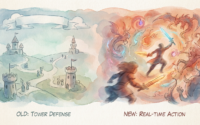
Arknights Endfield’s Combat Revolution: Why This Isn’t Your Typical Gacha Sequel

Why Assyrians Need a Self-Governed Region in Iraq—and Why the Law Already Agrees
About Author
