Your City Council Meeting Is Where Democracy Actually Happens
Why Your Vote for Dog Catcher Actually Matters More Than You Think
Let me tell you about Sarah’s garbage problem. For three months, her trash wasn’t getting picked up on her street in Ward 3. The city kept saying it was the contractor’s fault. The contractor blamed the city. Sarah called everyone. Nothing happened.
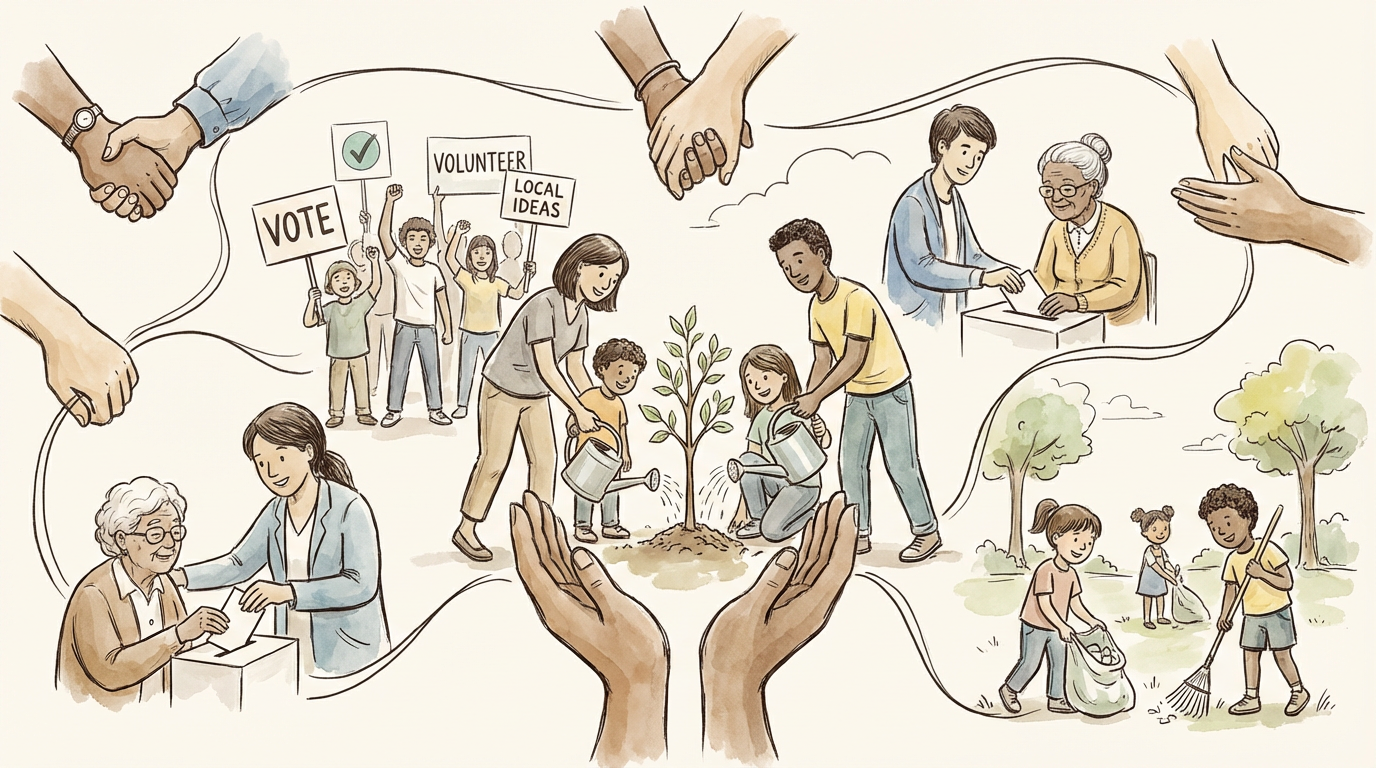
Then Sarah did something most people never think to do. She went to a city council meeting. Signed up for public comment. Stood at that podium for three minutes and explained her problem. Two weeks later? Her trash was getting picked up again. The council member followed up personally.
This is how democracy actually works. Not in Washington. Not in your state capital. In the room where five to nine people decide whether your street gets repaved, whether that empty lot becomes a park or a parking lot, and yes, who picks up your garbage.
The Real Power Players Live Down the Street
Your city council controls your daily life in ways that make federal politics look abstract. They set your property tax rate. They decide if that pothole outside your house gets fixed or if you keep dodging it for another year. They approve the budget that determines how many police officers patrol your neighborhood and whether your local library stays open on weekends.
When developers want to build that new apartment complex next to your house, your city council gets the final say. When your local restaurant wants to add outdoor seating, they need council approval. When you wonder why there’s no crosswalk at that dangerous intersection where kids walk to school, your city council can make it happen. Or not.
Here’s what I love about local politics: these people are actually accessible. Your council member probably lives within a few miles of you. They shop at the same grocery store. Their kids might go to the same schools. They answer their own emails. Try getting that kind of access to your congressman.
How to Actually Research Local Candidates Without Losing Your Mind
Forget everything you know about researching federal candidates. Local races require different detective work, and honestly, it’s way more interesting. Start with your city or county website. Look for council meeting minutes from the past year. See how candidates have voted on issues that affect your daily life: budget priorities, development projects, public safety funding.
Check local newspaper coverage, but don’t stop there. Follow candidates on social media. Attend candidate forums at the library or community center. These aren’t polished TV debates. They’re often small rooms where you can ask specific questions about your neighborhood’s issues and actually get real answers.
Look for endorsements from local organizations you trust. The firefighters’ union, the teachers’ association, neighborhood groups, environmental organizations. These endorsements tell you who candidates actually talk to and whose priorities align with theirs.
Most importantly, look for specific plans. A good local candidate doesn’t just talk about “improving infrastructure.” They know which intersections need traffic lights, which streets flood during heavy rain, and how much it costs to fix them. They should be able to tell you their plan for your specific neighborhood challenges, not just speak in vague promises.
Your First City Council Meeting: A Survival Guide
Walking into your first council meeting feels intimidating. I get it. Don’t let it be. These meetings are designed for public participation, even if they don’t always feel welcoming. Most meetings follow a predictable structure: they handle routine business first, then move to new items, then open public comment.
Arrive early and grab the agenda. It’s usually available online beforehand, but having a paper copy helps you follow along. Sit where you can see both the council members and any presentation screens. Bring a notebook. You’ll want to remember which council member asked good questions and which ones seemed to be scrolling their phone.
Public comment is your moment. You typically get three minutes to speak about anything you want. Don’t waste it on broad complaints about federal politics. Focus on specific local issues. Be concrete: “The stop sign at Oak and Main has been down for six weeks” works better than “traffic safety is bad.” Give them something they can actually act on.
Watch how council members interact with each other and with staff. Notice who asks follow-up questions, who clearly read the materials beforehand, and who seems to understand the budget details. This tells you more about their effectiveness than any campaign website ever will.
Building Your Civic Engagement Toolkit
Start building relationships before you need them. Follow your council member on social media. Sign up for city newsletters and meeting notifications. Join neighborhood associations or community groups. These connections become invaluable when you need something fixed or want to support a community project.
Learn your city’s budget timeline. Most cities start budget planning months before the fiscal year begins. This is when your input actually shapes spending priorities, rather than just commenting on decisions already made. Know when public hearings happen for major development projects in your area. Mark your calendar.
Build a simple contact list: your council member’s direct email, the mayor’s office, key department heads like public works or planning. Keep track of issues you care about and follow up. Send thank you notes when things go well. These small gestures make you a known quantity rather than just another complaining voice.
Connect with like-minded neighbors who share your concerns. One person asking for a new crosswalk might get ignored. Five neighbors asking for the same thing with a safety petition gets attention. Ten neighbors showing up to a council meeting gets action. It’s basic math, really.
The next time someone complains that their vote doesn’t matter, tell them about Sarah’s garbage problem. Tell them about the power they have to shape their immediate world. Then invite them to the next city council meeting. Democracy works better when more people show up to make it work.

The Paper Trail That Caught a Mayor Red-Handed (And How You Can Follow It)
The Unending March: Displacement and the Reforging of Assyrian Life
On the Question of an Assyrian Autonomous Region in Iraq
About Author
